Calories vs Hormones: What Actually Controls Your Weight?

Rexoni Bindhya • April 14, 2026
Calories vs Hormones: What Actually Controls Your Weight?

calories vs hormones: what actually controls your weight?​

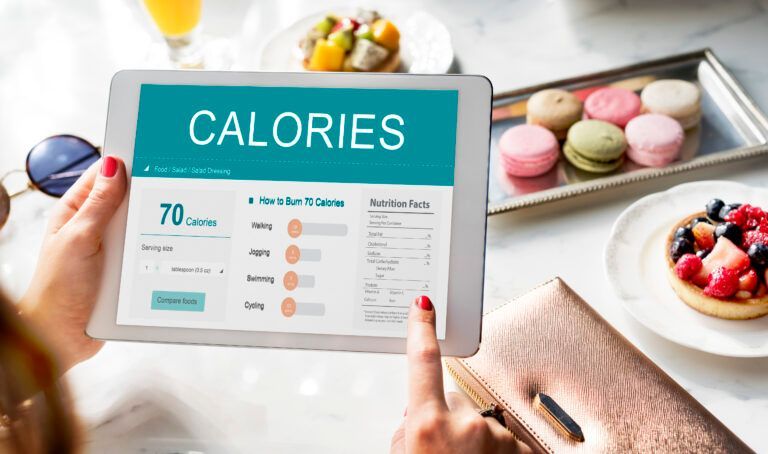
When it comes to  weight loss, you’ve presumably heard the classic rule “calories in vs. calories out.” While this idea isn’t wrong, it’s also not the full story. In 2026, the discussion around weight loss has shifted. People are now asking a more important question: Do calories control your weight, or do hormones?

The truth lies somewhere in between. Understanding how both work together can completely change the way you approach your  health.

Understanding Calories: The Basic Foundation

Calories are simply units of energy. Your body needs this energy to perform basic functions like breathing, digestion, and movement.

In simple terms:

  • If you consume more calories than you burn, you gain weight.
  • If you burn more calories than you consume, you lose weight.


This concept is known as a calorie deficit, and yes it works. However, it doesn’t explain why some people struggle to lose weight even when they are eating less.

That’s where hormones come in.

Hormones: The Hidden Drivers of Weight

Hormones are chemical messengers that control many processes in your body including hunger, metabolism and fat storage.

Even if you’re counting calories perfectly, your hormones can:

  • Increase your appetite.
  • Slow down your metabolism.
  • Encourage fat storage.


So, while calories determine how much energy you consume, hormones influence how your body uses that energy.

The Key Hormones That Affect Your Weight
 
  1. Insulin – The Fat Storage Hormone


Insulin helps regulate blood sugar levels. However, when insulin levels are constantly high (often due to high sugar or processed food intake), your body stores more fat.

Why it matters:
  • High insulin means more fat storage.
  • It becomes harder to burn fat.
 
  1. Leptin – The Fullness Hormone


Leptin tells your brain when you’re full. But in many cases, especially with obesity, the body becomes resistant to leptin.

What happens then?

  • You don’t feel satisfied after eating.
  • You keep eating more than needed.
  1. Ghrelin – The Hunger Hormone


Ghrelin is responsible for making you feel hungry. Poor sleep, stress, and dieting can increase ghrelin levels.

Result:
  • Constant hunger
  • Increased cravings
  1. Cortisol – The Stress Hormone


Cortisol rises when you’re stressed. Chronic stress leads to advanced cortisol situations, which can cause weight gain especially around the belly.

Effects include

  • Increased cravings for sugar
  • Fat accumulation

Calories vs. Hormones: Not a Competition

It’s important to understand that calories and hormones aren’t enemies; they work together.

Think of it this way.

  • Calories are the volume of energy.
  • Hormones decide how that energy is used, stored, or burned.


For illustration

Two people can eat the same number of calories, but their bodies may respond differently depending on hormonal balance.

Why “Eat Less, Move Further” Doesn’t Always Work

Numerous people try to lose weight by drastically cutting calories. Originally, they may see results. Still, over time, the body adapts.

That’s what happens

  • Metabolism slows down.
  • Hunger hormones increase
  • Energy situations drop.


As a result, weight loss slows down or reverses. This is why focusing only on calories can feel frustrating and unsustainable.

A Smarter Approach Balances Both Calories and Hormones


Rather than choosing between calories and hormones, the proper approach is to manage both.

  1. Focus on Food Quality


Not all calories are equal. For example, 200 calories from sugary snacks will affect your hormones very differently than 200 calories from protein and vegetables.

Choose:

  • Whole foods
  • High-protein meals
  • Healthy fats


These help regulate insulin and keep you full longer.

  1. Prioritise Protein


Protein is incredibly powerful for weight loss.

It:

  • Reduces hunger hormones
  • Increases fullness
  • Helps maintain muscle mass


As a result, you naturally eat fewer calories without feeling deprived.

  1. Improve Sleep Quality


Sleep plays a major role in hormone balance

Lack of sleep:

  • Increases ghrelin (hunger)
  • Decreases leptin (fullness)


Aim for 7–8 hours of quality sleep every night.

  1. Manage Stress Effectively


Chronic stress can sabotage your weight loss efforts.

Try:

  • Meditation
  • Walking
  • Deep breathing exercises


Lower stress = lower cortisol = better fat loss.- Easier said than done! -We Get it!!

  1. Stay Active (But Don’t Overdo It)


Exercise is important, but overtraining can increase stress hormones

Focus on

  • Strength training
  • Moderate cardio
  • Thickness over intensity


The Part of Modern Medical Weight Loss


In recent times, medical weight loss approaches have gained popularity because they address both calories and hormones

These programs may include

  • Individualized nutrition plans
  • Hormone assessments
  • Medications that regulate appetite


This is especially helpful for people who have struggled with traditional overeating styles.

So, What Actually Controls Your Weight?


The answer is clear

  • Calories determine weight change
  • Hormones determine how easy or delicate that change is


In other words,

  • You need a calorie deficiency to lose weight.
  • But your hormones decide whether that deficiency feels easy or insolvable.


Final studies

Weight loss is no longer just about eating lower and moving more. It’s about understanding how your body works as a system.

When you balance both calories and hormones

  • You feel less empty.
  • Your energy improves.
  • Weight loss becomes sustainable.


So rather than fighting your body, start working with it.

 FAQs
  1. Can I lose weight by only counting calories?

Yes, but it may be difficult to sustain if your hormones aren’t balanced. You might feel constantly empty or fatigued.

  1. Do hormones count further than calories?

 Not exactly. Both are important. Calories drive weight change, while hormones impact how your body responds.

  1. How can I balance my hormones naturally?

Focus on sleep, stress management, whole foods, and regular exercise.

  1. Why do I feel empty indeed after eating enough calories?

This could be due to hormonal imbalances, especially involving ghrelin and leptin.

  1. Is medical weight loss better than dieting?

 For many people, yes. It addresses underlying hormonal issues, making weight loss more effective and sustainable.

A smiling patient in a hospital bed holds an insurance form and a fan of cash, with an IV stand nearby.
By Rexoni Bindhya • November 3, 2026
Is Medical Weight Loss in Orlando Covered by Insurance? Cash Pay vs. Coverage Explained So you’ve made the decision to get help with your weight loss, but will your insurance cover it? This is one of the most common questions we get asked by our patients in Orlando. The answer is “It depends.” Short Answer: […]
A person in athletic wear uses an orange resistance band as workout metrics and progress charts overlay the scene.
By Rexoni Bindhya • October 28, 2026
Why BMI Is Outdated: What a 3D Body Scan Shows About Fat, Muscle, and Visceral Fat? Introduction For example, let’s imagine two women: each is 5’9” tall and weighs 180 pounds. They have exactly the same BMI and category. One woman goes to the gym four times per week and has lean muscle. The other […]
A hand places a blue capsule into a clear weekly pill organizer beside scattered medication.
By Rexoni Bindhya • October 16, 2026
GLP-1 Pills vs. Weekly Injections: The Upcoming Options and Suitable Patients Needles or not? A year ago, this question was never asked. There were no alternatives to weekly weight loss shots. Today, pills are on the market. And this is just a start. But how do you know which drug is better for you? Let’s […]
A distressed man in a blue suit covers his face while coworkers offer support in an office.
By Rexoni Bindhya • October 5, 2026
GLP-1s and Alcohol: What Changes and Why Many Patients Drink Less You start a GLP-1 medication to lose weight. Then something odd happens. That glass of wine after work doesn’t sound as appealing anymore. Your usual two beers on Saturday turn into one, or none. You’re not imagining it. Many patients on semaglutide and Tirzepatide report the same […]
A person in a pink shirt sits on a gray sofa, resting their head on one hand in a bright room with white brick walls.
By Rexoni Bindhya • September 29, 2026
Why Losing Weight Gets Harder During Perimenopause (And What Actually Works) If you’ve been eating the same way and working out the same way, yet the scale keeps climbing, you’re not losing your mind. You’re in perimenopause. And no, it’s not just you. If the weight started creeping up in your forties even though you didn’t […]
A person holds a glass of water and a blister pack of pills in a bright living room.
By Rexoni Bindhya • September 28, 2026
Can GLP-1 Medications Help With Menopause Weight Gain? Here’s What the Science Actually Says Let’s be honest: menopause weight gain is not fair. You’re eating the same way. You’re still hitting the gym. And yet the scale keeps creeping up, especially around your belly. If this sounds familiar, you’re not alone and you’re not imagining it. So […]
Hands review a healthy meal plan beside salad, fruit, juice, and a plate of avocado and eggs on a wooden table.
By Rexoni Bindhya • September 22, 2026
Telehealth Weight Loss Programs vs. Weight Loss Clinics: Which One Fits Your Life? It’s midnight, and you’re scrolling your phone. One ad promises weight loss medication delivered to your door. Another pitches a local clinic with hands-on care. Both sound great, so which one is right for you? The good news is that you have more choices […]

A person in a light blue shirt stands beside a bright window in a living room with a gray sofa and a distressed white wall.
By Rexoni Bindhya • September 21, 2026
Telehealth Weight Loss in 2026: What to Know Before Starting GLP-1 Treatment Online GLP-1 weight loss through online thought? Learn 2026 costs, safety checks, brand vs. compounded options, and answers to common questions. Seen a GLP-1 ad on your phone lately? You’re not alone. Millions of Americans now wonder whether they can start weight loss treatment from […]
A clinician in blue scrubs speaks with a wheelchair user as two adults talk in the background of a clinic room.
By Rexoni Bindhya • September 16, 2026
Wegovy and Zepbound are changing how Americans get health care Weight loss used to mean diet plans, gym memberships, and willpower. Today, it often means a weekly injection pen. Wegovy and Zepbound have gone from niche prescriptions to household names, and in the process, they’re rewriting the rules of American health care. In debates about health […]
Red notebook and pencils on a turquoise and white surface.
By Rexoni Bindhya • September 15, 2026
Semaglutide vs. Tirzepatide: Wegovy vs. Zepbound What’s the Difference? If you’ve scrolled social media lately, you’ve probably seen the debate. Wegovy or Zepbound? Semaglutide or Tirzepatide? Everyone seems to have an opinion, but few people explain the actual science behind it. So, let’s clear things up. Both drugs belong to the same medication family. Both help people […]