Why Diet and Exercise Alone Fail for 80% of People (Backed by Science)

Rexoni Bindhya • April 2, 2026
Why Diet and Exercise Alone Fail for 80% of People (Backed by Science)

You’ve probably heard this advice a thousand times:

“Just eat less and move more.”

Sounds simple, right?

Yet, for most people, it doesn’t work.

In fact, studies show that nearly 80% of people regain  lost weight  within a few years. So clearly, the problem isn’t a lack of effort. Instead, something deeper is going on.

Let’s break down why diet and exercise alone often fail and what actually works.

Why Diet and Exercise Alone Fail for 80% of People (Backed by Science)
  1. Your Body Fights Back (Biological Resistance)

First of all, your body is not designed to lose weight easily.

When you cut calories, your body reacts as if you’re in danger. As a result, it slows down your metabolism to conserve energy.

This process is known as adaptive thermogenesis.

In simple terms:

  • You eat less
  • Your body burns fewer calories
  • Weight loss slows down or stops


At the same time, hunger hormones increase, while fullness hormones decrease.Consequently, you feel hungrier than ever.So, it’s not just “lack of discipline.”Your biology is literally working against you.

  1. Hormones Play a Bigger Part Than You Think

Next, let’s talk about hormones.

Weight loss isn’t only about calories. It’s also about how your hormones respond to food, stress and sleep.

For illustration

  • Insulin affects fat storehouses
  • Cortisol (the stress hormone) promotes belly fat
  • Leptin and ghrelin are peptides that control hunger and give us the feeling of being full


When these hormones are out of balance, your body tends to store fat indeed, even if you’re eating less.

Moreover, poor sleep and chronic stress make this worse. Therefore, even strict diets can fail if hormones are ignored.

  1. Not All Calories Are Equal

Another common myth is that “a calorie is just a calorie.”

However, your body processes different foods in very different ways.

For instance:

  • 200 calories from sugar spike insulin quickly
  • 200 calories from protein keep you full longer


As a result, the type of food you eat directly affects your hunger, energy levels  and fat storage.

In addition, highly processed foods are designed to be addictive. Because of this, they often lead to overeating without you even realizing it.

  1. Exercise  Alone Doesn’t Burn Enough Calories

Many people believe that working out will “cancel out” a bad diet.

Unfortunately, that’s not how it works.

For example:

  • A 30-minute workout may burn 200–300 calories
  • A single fast-food meal can easily exceed 800 calories


Therefore, it becomes very easy to eat more than you burn.

Also, after exercise, people frequently feel hungrier. As a result, they may intentionally eat back the calories they just burned.

So while exercise is essential for health, it is not enough on its own for weight loss.

  1. The “All-or-Nothing” Mindset Fails

Another major reason people struggle is mindset.

Numerous diets promote extreme restriction

  • Cutting entire food groups
  • Eating very low calories
  • Following rigid mess plans


At first, this may work. However, over time  it becomes difficult to maintain.

Eventually, one small slip leads to:

“I already messed up  might as well quit.”

Because of this cycle, people often regain the weight and sometimes even more.

  1. Weight Loss Is Not One- Size- Fits All

What works for one person may not work for another

This is because every existent has

  • Different metabolism
  • Different genetics
  • Different life habits


For instance,  two people can follow the same diet and get fully different results.

Thus  general diet plans frequently fail because they don’t address particular requirements.

  1. Emotional Eating Is Ignored

Let’s be honest, food isn’t always about hunger.

Occasionally, it’s about

  • Stress
  • Boredom
  • Anxiety
  • Comfort


This is called emotional eating  and it plays a huge part in weight gain.

Even if your diet is “perfect,” emotional triggers can lead to overeating.

As a result, ignoring this factor makes long-term success almost impossible.

  1. Short term diets Don’t Produce Long-Term Habits

Most  diets concentrate on quick results.

Still, Most rapid-fire weight loss frequently comes from

  • Water loss
  • Muscle loss


Not sustainable fat loss

Also, once the diet ends, old habits return.Consequently, the weight comes back.

That’s why consistency beats intensity every time.

So, What Actually Works?

Now that we understand the problem, let’s talk about the result.

Rather than only on diet and exercise, a more effective approach includes

  1. Sustainable Eating Habits

Focus on balance, not restriction.
Choose whole foods but allow inflexibility.

  1. Strength Lifestyle Movement

Exercise should support your body, not discipline it.
Include strength training and daily activity.

  1. Hormone and Metabolic Support

Prioritize sleep, manage stress, and eat nutrient-rich foods.

  1. Gesture and Mindset Changes

Figure out habits that last.

Avoid extreme “all-or-nothing” thinking.

  1. Substantiated Approach

Find what works for your body, not someone else’s.

Final Thoughts

Diet and exercise are important but they are only part of the picture.

If you’ve struggled to lose weight, it’s not because you failed. Instead, it’s because the traditional approach is incomplete.

When you understand how your body truly works, everything changes.
So rather than chasing quick fixes, concentrate on building a system that supports your biology, your habits  and your life.

Because real results don’t come from doing further

They come from doing what actually works

A smiling patient in a hospital bed holds an insurance form and a fan of cash, with an IV stand nearby.
By Rexoni Bindhya • November 3, 2026
Is Medical Weight Loss in Orlando Covered by Insurance? Cash Pay vs. Coverage Explained So you’ve made the decision to get help with your weight loss, but will your insurance cover it? This is one of the most common questions we get asked by our patients in Orlando. The answer is “It depends.” Short Answer: […]
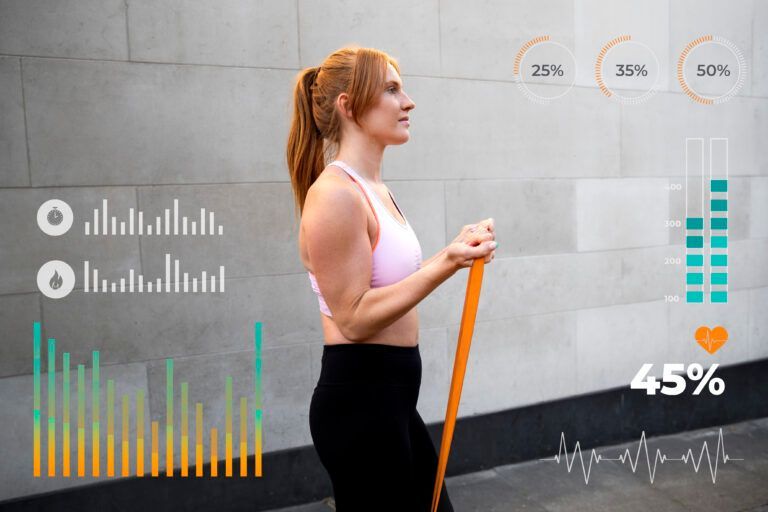
A person in athletic wear uses an orange resistance band as workout metrics and progress charts overlay the scene.
By Rexoni Bindhya • October 28, 2026
Why BMI Is Outdated: What a 3D Body Scan Shows About Fat, Muscle, and Visceral Fat? Introduction For example, let’s imagine two women: each is 5’9” tall and weighs 180 pounds. They have exactly the same BMI and category. One woman goes to the gym four times per week and has lean muscle. The other […]
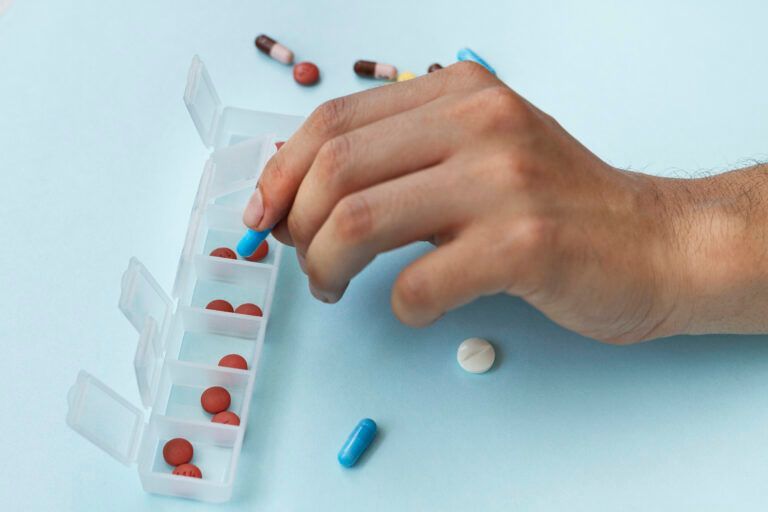
A hand places a blue capsule into a clear weekly pill organizer beside scattered medication.
By Rexoni Bindhya • October 16, 2026
GLP-1 Pills vs. Weekly Injections: The Upcoming Options and Suitable Patients Needles or not? A year ago, this question was never asked. There were no alternatives to weekly weight loss shots. Today, pills are on the market. And this is just a start. But how do you know which drug is better for you? Let’s […]

A distressed man in a blue suit covers his face while coworkers offer support in an office.
By Rexoni Bindhya • October 5, 2026
GLP-1s and Alcohol: What Changes and Why Many Patients Drink Less You start a GLP-1 medication to lose weight. Then something odd happens. That glass of wine after work doesn’t sound as appealing anymore. Your usual two beers on Saturday turn into one, or none. You’re not imagining it. Many patients on semaglutide and Tirzepatide report the same […]

A person in a pink shirt sits on a gray sofa, resting their head on one hand in a bright room with white brick walls.
By Rexoni Bindhya • September 29, 2026
Why Losing Weight Gets Harder During Perimenopause (And What Actually Works) If you’ve been eating the same way and working out the same way, yet the scale keeps climbing, you’re not losing your mind. You’re in perimenopause. And no, it’s not just you. If the weight started creeping up in your forties even though you didn’t […]

A person holds a glass of water and a blister pack of pills in a bright living room.
By Rexoni Bindhya • September 28, 2026
Can GLP-1 Medications Help With Menopause Weight Gain? Here’s What the Science Actually Says Let’s be honest: menopause weight gain is not fair. You’re eating the same way. You’re still hitting the gym. And yet the scale keeps creeping up, especially around your belly. If this sounds familiar, you’re not alone and you’re not imagining it. So […]
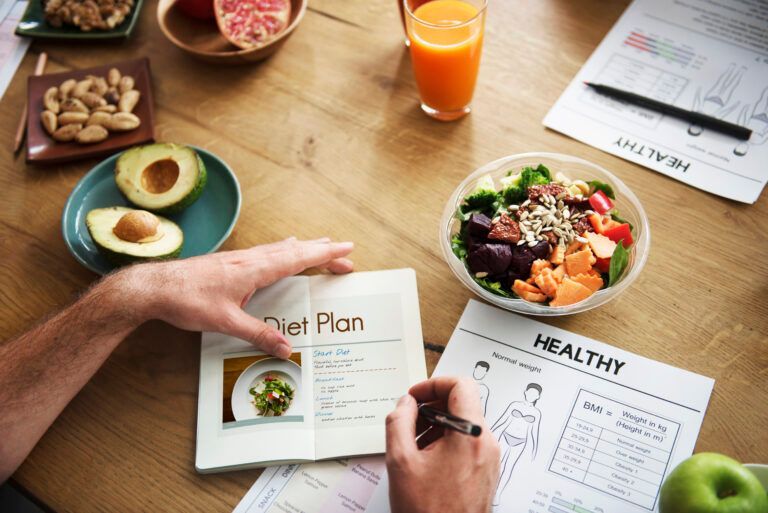
Hands review a healthy meal plan beside salad, fruit, juice, and a plate of avocado and eggs on a wooden table.
By Rexoni Bindhya • September 22, 2026
Telehealth Weight Loss Programs vs. Weight Loss Clinics: Which One Fits Your Life? It’s midnight, and you’re scrolling your phone. One ad promises weight loss medication delivered to your door. Another pitches a local clinic with hands-on care. Both sound great, so which one is right for you? The good news is that you have more choices […]

A person in a light blue shirt stands beside a bright window in a living room with a gray sofa and a distressed white wall.
By Rexoni Bindhya • September 21, 2026
Telehealth Weight Loss in 2026: What to Know Before Starting GLP-1 Treatment Online GLP-1 weight loss through online thought? Learn 2026 costs, safety checks, brand vs. compounded options, and answers to common questions. Seen a GLP-1 ad on your phone lately? You’re not alone. Millions of Americans now wonder whether they can start weight loss treatment from […]
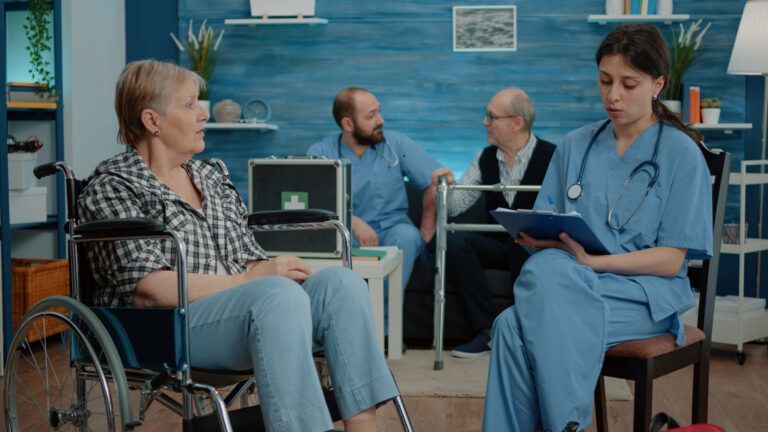
A clinician in blue scrubs speaks with a wheelchair user as two adults talk in the background of a clinic room.
By Rexoni Bindhya • September 16, 2026
Wegovy and Zepbound are changing how Americans get health care Weight loss used to mean diet plans, gym memberships, and willpower. Today, it often means a weekly injection pen. Wegovy and Zepbound have gone from niche prescriptions to household names, and in the process, they’re rewriting the rules of American health care. In debates about health […]
Red notebook and pencils on a turquoise and white surface.
By Rexoni Bindhya • September 15, 2026
Semaglutide vs. Tirzepatide: Wegovy vs. Zepbound What’s the Difference? If you’ve scrolled social media lately, you’ve probably seen the debate. Wegovy or Zepbound? Semaglutide or Tirzepatide? Everyone seems to have an opinion, but few people explain the actual science behind it. So, let’s clear things up. Both drugs belong to the same medication family. Both help people […]