GLP-1s and Alcohol: What Changes and Why Many Patients Drink Less

Rexoni Bindhya • October 5, 2026
GLP-1s and Alcohol: What Changes and Why Many Patients Drink Less

You start a  GLP-1 medication  to  lose weight . Then something odd happens. That glass of wine after work doesn’t sound as appealing anymore. Your usual two beers on Saturday turn into one, or none.

You’re not imagining it. Many patients on semaglutide and Tirzepatide report the same thing. Scientists are now asking why.

Let’s break down what we know, what we don’t, and how to stay safe if you still enjoy a drink.

GLP-1s and Alcohol: What Changes and Why Many Patients Drink Less
The Surprising “Side Effect” That Patients Keep Discussing

Most people start a GLP-1 to quiet their hunger. However, many also notice a drop in their interest in alcohol. Some call it “alcohol noise” going quiet, much like “food noise.”

Patients often describe it in simple ways:

  • “I forgot to order a drink at dinner.”
  • “One glass feels like enough.”
  • “I just don’t crave it like I used to.”


Of course, these are personal stories, not proof. Still, they match what researchers are starting to see in the lab and in early studies.

Why Might GLP-1s Change Your Relationship With Alcohol?

GLP-1 medications mimic a natural hormone that helps control blood sugar and appetite. But this hormone doesn’t only act in your gut. It also acts in the brain.

Here is what researchers think may be happening.

  1. The reward system calms down. Alcohol triggers dopamine, the “feel-good” chemical in your brain’s reward pathway. GLP-1 receptors are found in these reward areas. As a result, the “buzz” from a drink may feel less rewarding.
  2. Cravings may shrink. Animal studies show that GLP-1 drugs reduce alcohol intake. In addition, early human research points the same way. A small clinical trial of people with alcohol use disorder found that semaglutide cut heavy drinking days. Larger studies are still underway.
  3. Your body feels different. GLP-1 agonists reduce the speed of digestion and increase satiety. The alcohol intake becomes more cumbersome with a fuller stomach. That is why many patients just do not like it.
  4. Habits shift naturally. When you eat smaller meals and think more about your health, your routines change too. Happy hour may lose its pull.


Keep in mind that research is still new. Scientists don’t yet know exactly how strong this effect is or who benefits most.

What Patients Often Notice

Everyone responds differently. Even so, here are common changes people report after starting a GLP-1:

  • Fewer cravings for beer, wine, or cocktails
  • Lower tolerance , meaning the same drink hits harder
  • Quicker fullness , so it’s harder to finish a drink
  • Stronger next-day effects , such as nausea or fatigue
  • Less interest in drinking socially


Meanwhile, some patients notice no change at all. That’s normal too.

The Risks: Why Alcohol and GLP-1s Need Caution

Cutting back sounds like good news. Still, mixing alcohol with a GLP-1 can cause problems. Here’s what to watch for.

Stronger nausea and vomiting. GLP-1s can already upset your stomach. Alcohol is also a stomach irritant. Together, they may make nausea much worse.

Dehydration. They can cause dehydration as well as dizziness and weakness, particularly because of the hot weather in Florida.

Low blood glucose. Low blood glucose is not usually seen when taking GLP-1s alone.

Nevertheless, it is a possibility when used together with insulin or other diabetes medications. The probability of this side effect also increases when you drink alcohol, especially without food in your stomach.

Pancreatitis. This condition is uncommon but serious; excessive alcohol consumption is its known cause. Since pancreatitis is listed among side effects on the label, you should consider discussing your drinking habits with your healthcare provider.

Drunk feeling. If your appetite and food intake decreased, you could get intoxicated more quickly.

Empty calories and slower progress. Alcohol has calories but little nutrition. Moreover, it can lower your inhibitions and lead to late-night snacking.

Smart Tips for Drinking on a GLP-1

If you choose to drink, a little planning goes a long way. Try these steps:

  1. Start small. Have half your usual amount and see how you feel.
  2. Never drink on an empty stomach. Eat a protein-rich meal first.
  3. Sip water between drinks. This helps with hydration and pacing.
  4. Skip sugary mixers. Choose soda water with lime instead.
  5. Avoid drinking on injection day if you tend to feel nauseated.
  6. Know your limits. Your tolerance may be lower now.
  7. Listen to your body. If a drink makes you feel sick, stop.


In addition, be extra careful in the first few weeks and after any dose increase. That’s when side effects are strongest.

Can GLP-1s Treat Alcohol Use Disorder?

This is a hot topic, and it deserves a clear answer. Right now, no GLP-1 medication is FDA-approved to treat alcohol use disorder. The early research is promising, but it’s still early.

If you struggle with drinking, please don’t rely on weight loss medication alone. There are treatments that have been proven to work, such as counseling, support groups, and various medications that have been approved. 

Frequently Asked Questions

1.Can I drink alcohol while taking semaglutide or Tirzepatide?
Many people can have an occasional drink, but it isn’t risk-free. Alcohol may worsen side effects like nausea. Ask your provider what’s safe for your health and dose.

2. Why do I want to drink less on a GLP-1?
GLP-1s act on brain reward pathways as well as appetite. Therefore, alcohol may feel less rewarding. Researchers are still studying this effect.

3. Will GLP-1s make me get drunk faster?
Some patients say yes. Eating less and feeling full sooner can change how your body handles alcohol. Start with a smaller amount to be safe.

4. Does alcohol slow down weight loss?
It can. Alcohol adds calories, affects sleep, and may increase late-night eating. Cutting back often helps you reach your goals faster.

5. Are GLP-1s approved to treat alcohol addiction?
No, not yet. Studies are ongoing. If you’re worried about your drinking, talk to a healthcare professional about proven treatment options.

6. Should I stop drinking completely on a GLP-1?
Not necessarily. Still, it’s a good time to check in with yourself. Some patients choose to cut back or quit because they feel better without alcohol.

Conclusion

GLP-1s may do more than help you lose weight. For many patients, they also quiet the urge to drink. Science is exciting, but it’s still growing.

In the meantime, be smart. Eat first, stay hydrated, drink less, and talk openly with your provider. After all, your medication plan should fit your whole lifestyle, not just the number on the scale.

A smiling patient in a hospital bed holds an insurance form and a fan of cash, with an IV stand nearby.
By Rexoni Bindhya • November 3, 2026
Is Medical Weight Loss in Orlando Covered by Insurance? Cash Pay vs. Coverage Explained So you’ve made the decision to get help with your weight loss, but will your insurance cover it? This is one of the most common questions we get asked by our patients in Orlando. The answer is “It depends.” Short Answer: […]
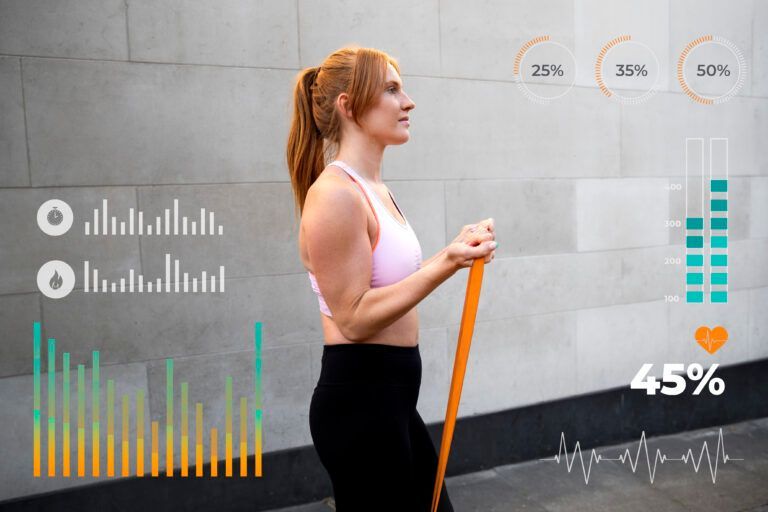
A person in athletic wear uses an orange resistance band as workout metrics and progress charts overlay the scene.
By Rexoni Bindhya • October 28, 2026
Why BMI Is Outdated: What a 3D Body Scan Shows About Fat, Muscle, and Visceral Fat? Introduction For example, let’s imagine two women: each is 5’9” tall and weighs 180 pounds. They have exactly the same BMI and category. One woman goes to the gym four times per week and has lean muscle. The other […]
A hand places a blue capsule into a clear weekly pill organizer beside scattered medication.
By Rexoni Bindhya • October 16, 2026
GLP-1 Pills vs. Weekly Injections: The Upcoming Options and Suitable Patients Needles or not? A year ago, this question was never asked. There were no alternatives to weekly weight loss shots. Today, pills are on the market. And this is just a start. But how do you know which drug is better for you? Let’s […]
A person in a pink shirt sits on a gray sofa, resting their head on one hand in a bright room with white brick walls.
By Rexoni Bindhya • September 29, 2026
Why Losing Weight Gets Harder During Perimenopause (And What Actually Works) If you’ve been eating the same way and working out the same way, yet the scale keeps climbing, you’re not losing your mind. You’re in perimenopause. And no, it’s not just you. If the weight started creeping up in your forties even though you didn’t […]
A person holds a glass of water and a blister pack of pills in a bright living room.
By Rexoni Bindhya • September 28, 2026
Can GLP-1 Medications Help With Menopause Weight Gain? Here’s What the Science Actually Says Let’s be honest: menopause weight gain is not fair. You’re eating the same way. You’re still hitting the gym. And yet the scale keeps creeping up, especially around your belly. If this sounds familiar, you’re not alone and you’re not imagining it. So […]
Hands review a healthy meal plan beside salad, fruit, juice, and a plate of avocado and eggs on a wooden table.
By Rexoni Bindhya • September 22, 2026
Telehealth Weight Loss Programs vs. Weight Loss Clinics: Which One Fits Your Life? It’s midnight, and you’re scrolling your phone. One ad promises weight loss medication delivered to your door. Another pitches a local clinic with hands-on care. Both sound great, so which one is right for you? The good news is that you have more choices […]
A person in a light blue shirt stands beside a bright window in a living room with a gray sofa and a distressed white wall.
By Rexoni Bindhya • September 21, 2026
Telehealth Weight Loss in 2026: What to Know Before Starting GLP-1 Treatment Online GLP-1 weight loss through online thought? Learn 2026 costs, safety checks, brand vs. compounded options, and answers to common questions. Seen a GLP-1 ad on your phone lately? You’re not alone. Millions of Americans now wonder whether they can start weight loss treatment from […]
A clinician in blue scrubs speaks with a wheelchair user as two adults talk in the background of a clinic room.
By Rexoni Bindhya • September 16, 2026
Wegovy and Zepbound are changing how Americans get health care Weight loss used to mean diet plans, gym memberships, and willpower. Today, it often means a weekly injection pen. Wegovy and Zepbound have gone from niche prescriptions to household names, and in the process, they’re rewriting the rules of American health care. In debates about health […]
Red notebook and pencils on a turquoise and white surface.
By Rexoni Bindhya • September 15, 2026
Semaglutide vs. Tirzepatide: Wegovy vs. Zepbound What’s the Difference? If you’ve scrolled social media lately, you’ve probably seen the debate. Wegovy or Zepbound? Semaglutide or Tirzepatide? Everyone seems to have an opinion, but few people explain the actual science behind it. So, let’s clear things up. Both drugs belong to the same medication family. Both help people […]
A person in a beige shirt examines a white bottle beside a laptop and several containers on a kitchen counter.
By Rexoni Bindhya • September 9, 2026
What Role Do Telehealth Platforms Play in Accessing Weight Loss Medications? Getting a prescription for a weight loss medicine used to be a whole ordeal. You would have to see a doctor in person, wait for an opening, and then deal with an uncomfortable chat about your body. Now things can be different. With telehealth, many Americans can reach […]