The GLP-1 Diet: 10 Eating Habits That Can Support Better Weight Loss

Rexoni Bindhya • September 8, 2026
The GLP-1 Diet: 10 Eating Habits That Can Support Better Weight Loss

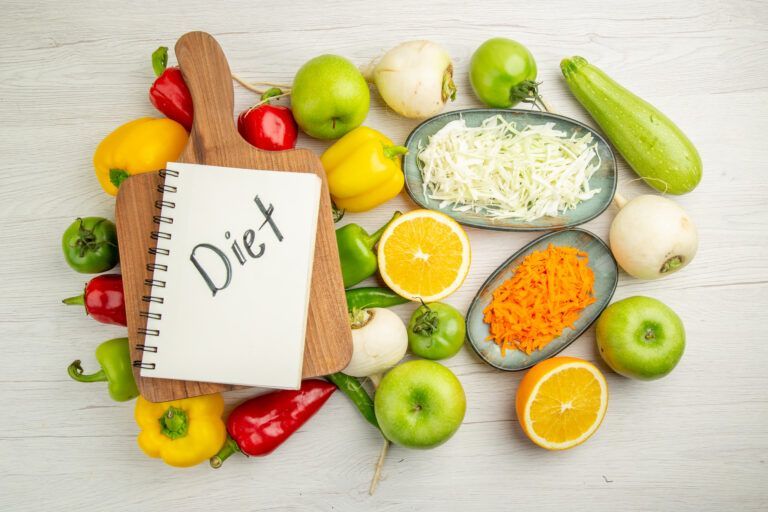
If you’re taking a  GLP -1 medication like semaglutide or Tirzepatide, you already know these drugs can be powerful tools for weight loss. However, the medication is only part of the story. What you eat and how you eat it plays a giant role in how well you feel and how much progress you make. That’s where the GLP-1 diet comes in.

Unlike a strict meal plan, the GLP-1 diet is really a set of eating habits designed to work alongside your medication. Because GLP-1 drugs slow digestion and reduce appetite, your body needs different support than it did before. So, let’s walk through ten habits that can help you get the most out of your treatment while keeping you healthy, energised, and satisfied.

The GLP-1 Diet: 10 Eating Habits That Can Support Better Weight Loss
1. Prioritize Protein at Every Meal

Protein is arguably the most important nutrient on a GLP-1 diet. Since these medications often reduce hunger significantly, it becomes easy to eat too little overall and protein is usually the first thing to slip. Consequently, muscle loss becomes a real risk if you’re not intentional.

Aim for 25–30 grams of protein per meal. Eggs, Greek yogurt, chicken, fish, tofu, and cottage cheese are all excellent options. Protein can keep you full for a longer time. This can align with the way your medication reduces your appetite.

2. Eat Slowly and Mindfully

GLP-1 medicines can slow how fast the stomach empties. If you eat too fast, you may feel sick, puffy, or just uncomfortable. Take smaller bites and chew more. Give yourself extra time at meals so you can avoid those side effects.

Try putting your fork down between bites. Chew thoroughly. Notice how your body feels as you eat. Mindful eating gives your brain enough time to notice when you are full. That can help you eat less and cut down on stomach discomfort.

3. Stay Ahead of Hydration

Dehydration is a very common issue among those taking GLP-1 medications mainly due to decreased appetite, which typically leads to decreased thirst as well. This can lead many folks to not realize they aren’t drinking enough water.

Try aiming for at least 64 ounces of water per day and upping that amount if you are active or living somewhere with a lot of heat. Herbal tea, infused water, and electrolyte beverages (no added sugar!) all count towards your goal. Dehydration can make some side effects worse, including headaches, fatigue, and even constipation.

4. Choose  FIBER-RICH FOODS

Constipation is a frequent complaint among GLP-1 users, largely due to slower digestion. Fiber can help keep things moving smoothly. Vegetables, fruits, legumes, and whole grains should make regular appearances on your plate.

That said, introduce fiber gradually. If you add a lot of something in a short time, you can end up with bloating and gas. This can happen more easily if your stomach is still getting used to the medication.

5. Don’t Skip Meals

If you are not hungry, it can feel fine to miss a meal. But if you do it a lot, it can cause problems.

One issue is that you may not get enough nutrients over time. Another issue is that your blood sugar can jump around. Later, you might feel very hungry and end up eating more than you planned.

A better plan is to eat three smaller meals each day. Try to keep each one balanced, even if the portions are not as big as you used to have. This can help you stay steady and get the nutrients you need through the day.

6. Watch Portion Sizes, Not Just Food Choices

Because appetite is naturally suppressed, portion control becomes easier in some ways but trickier in others. Many people find they can no longer finish a “normal” plate of food. Meanwhile, others fall into the trap of choosing calorie-dense, low-nutrient foods simply because they can only eat a small amount.

Use smaller plates, and focus on nutrient density. Every bite counts more when you’re eating less overall, so make those bites work for you.

7. Limit Greasy and Fried Foods

Foods high in fat or grease may cause nausea or other GI symptoms because they take longer to digest while on GLP-1 drugs.

Leaner cuts of meat, as well as avocados or olive oil, are usually easier to tolerate compared with heavy and greasy dishes. Instead of frying your food, consider grilling or baking it instead.

8. Incorporate Strength Training

Though this won’t necessarily be considered an “eating habit,” keeping muscle preserved by combining your eating plan with two- or three-times-a-week resistance exercises will also help slow the rate of lean tissue being shed alongside fat. Plus, having more muscles in your body will help maintain your metabolic function for years to come, even as you gradually reduce your medication (assuming that’s where things go).

9. Plan for Smaller, More Frequent Snacks if Needed

I have had many patients ask about meal sizes some do best eating 3 meals, and others work well on just 2 meals per day plus a snack! Experimenting and listening to your body is key as we all respond differently to medications. I personally prefer to eat snacks such as a hard-boiled egg, a handful of nuts, or a cup of Greek yogurt with berries. It provides great protein and nutrition but doesn’t fill me up too much because of my small appetite size.

10. Avoid Empty Calories and Added Sugar

Because you can only eat so much, each calorie has to matter. Skip sugary drinks, candy, and very processed snacks. They make you feel full, but you do not get much nutrition from them. Go for foods that are closer to their natural form. Try not to rely on heavily processed choices. Look for meals that have vitamins and minerals.
When you pick that kind of food, you may stay full for longer. You can end up eating less and still feel satisfied.

Conclusion

Remember, the goal isn’t to restrict collaboration. You’re working with your body’s “new normal” to prevent side effects, preserve your hard-won muscle mass, and lay down strong foundations for long-term, successful weight management. By focusing on protein, hydration, mindful eating, and nutrient-rich choices, you’ll maximize your medication’s benefits and feel your very best throughout your weight loss journey. As always, be sure to work closely with your doctor or a registered dietitian to customise this approach based on your unique needs, medication dosage, and medical history.  

A smiling patient in a hospital bed holds an insurance form and a fan of cash, with an IV stand nearby.
By Rexoni Bindhya • November 3, 2026
Is Medical Weight Loss in Orlando Covered by Insurance? Cash Pay vs. Coverage Explained So you’ve made the decision to get help with your weight loss, but will your insurance cover it? This is one of the most common questions we get asked by our patients in Orlando. The answer is “It depends.” Short Answer: […]
A person in athletic wear uses an orange resistance band as workout metrics and progress charts overlay the scene.
By Rexoni Bindhya • October 28, 2026
Why BMI Is Outdated: What a 3D Body Scan Shows About Fat, Muscle, and Visceral Fat? Introduction For example, let’s imagine two women: each is 5’9” tall and weighs 180 pounds. They have exactly the same BMI and category. One woman goes to the gym four times per week and has lean muscle. The other […]
A hand places a blue capsule into a clear weekly pill organizer beside scattered medication.
By Rexoni Bindhya • October 16, 2026
GLP-1 Pills vs. Weekly Injections: The Upcoming Options and Suitable Patients Needles or not? A year ago, this question was never asked. There were no alternatives to weekly weight loss shots. Today, pills are on the market. And this is just a start. But how do you know which drug is better for you? Let’s […]

A distressed man in a blue suit covers his face while coworkers offer support in an office.
By Rexoni Bindhya • October 5, 2026
GLP-1s and Alcohol: What Changes and Why Many Patients Drink Less You start a GLP-1 medication to lose weight. Then something odd happens. That glass of wine after work doesn’t sound as appealing anymore. Your usual two beers on Saturday turn into one, or none. You’re not imagining it. Many patients on semaglutide and Tirzepatide report the same […]
A person in a pink shirt sits on a gray sofa, resting their head on one hand in a bright room with white brick walls.
By Rexoni Bindhya • September 29, 2026
Why Losing Weight Gets Harder During Perimenopause (And What Actually Works) If you’ve been eating the same way and working out the same way, yet the scale keeps climbing, you’re not losing your mind. You’re in perimenopause. And no, it’s not just you. If the weight started creeping up in your forties even though you didn’t […]
A person holds a glass of water and a blister pack of pills in a bright living room.
By Rexoni Bindhya • September 28, 2026
Can GLP-1 Medications Help With Menopause Weight Gain? Here’s What the Science Actually Says Let’s be honest: menopause weight gain is not fair. You’re eating the same way. You’re still hitting the gym. And yet the scale keeps creeping up, especially around your belly. If this sounds familiar, you’re not alone and you’re not imagining it. So […]
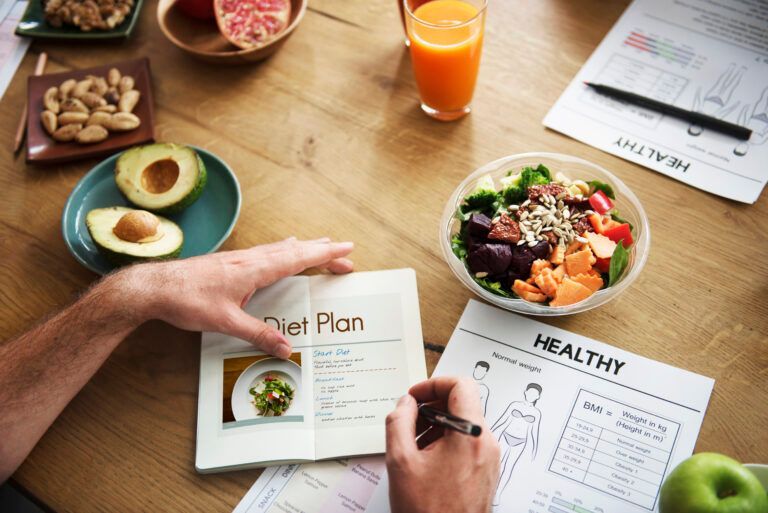
Hands review a healthy meal plan beside salad, fruit, juice, and a plate of avocado and eggs on a wooden table.
By Rexoni Bindhya • September 22, 2026
Telehealth Weight Loss Programs vs. Weight Loss Clinics: Which One Fits Your Life? It’s midnight, and you’re scrolling your phone. One ad promises weight loss medication delivered to your door. Another pitches a local clinic with hands-on care. Both sound great, so which one is right for you? The good news is that you have more choices […]

A person in a light blue shirt stands beside a bright window in a living room with a gray sofa and a distressed white wall.
By Rexoni Bindhya • September 21, 2026
Telehealth Weight Loss in 2026: What to Know Before Starting GLP-1 Treatment Online GLP-1 weight loss through online thought? Learn 2026 costs, safety checks, brand vs. compounded options, and answers to common questions. Seen a GLP-1 ad on your phone lately? You’re not alone. Millions of Americans now wonder whether they can start weight loss treatment from […]
A clinician in blue scrubs speaks with a wheelchair user as two adults talk in the background of a clinic room.
By Rexoni Bindhya • September 16, 2026
Wegovy and Zepbound are changing how Americans get health care Weight loss used to mean diet plans, gym memberships, and willpower. Today, it often means a weekly injection pen. Wegovy and Zepbound have gone from niche prescriptions to household names, and in the process, they’re rewriting the rules of American health care. In debates about health […]
Red notebook and pencils on a turquoise and white surface.
By Rexoni Bindhya • September 15, 2026
Semaglutide vs. Tirzepatide: Wegovy vs. Zepbound What’s the Difference? If you’ve scrolled social media lately, you’ve probably seen the debate. Wegovy or Zepbound? Semaglutide or Tirzepatide? Everyone seems to have an opinion, but few people explain the actual science behind it. So, let’s clear things up. Both drugs belong to the same medication family. Both help people […]