Why Menopause Makes Weight Management So Tricky
First, let’s be real about what’s going on in your body. When oestrogen levels drop in perimenopause and menopause, your system kind of starts tucking fat in a different way. Instead of, you know, resting more on hips and thighs, it seems to slide towards your belly. That extra buildup is often called visceral fat, and it is not only a looks thing it’s tied to heart disease, insulin resistance, and even type 2 diabetes.
And then there’s the other part people forget about: muscle mass naturally declines as you get older, which makes your metabolism slow down, almost like it’s on a dimmer switch. Throw in menopause symptoms like broken sleep, mood shifts and that stressful urge to snack, plus day-to-day cortisol vibes, and suddenly you’ve got a perfect storm for weight gain that feels crazy hard to wrestle with.
So, this is exactly why so many women are putting their attention on GLP-1 medications for extra support.
What exactly are GLP-1s?
GLP-1 means glucagon-like peptide 1, sort of a hormone your gut naturally makes. Medications that act as GLP-1 receptor agonists mimic this hormone, and they kind of work in a couple main ways.
They slow down digestion, so the food hangs around in your stomach longer, and you end up feeling full sooner.
They reduce appetite by influencing hunger centres in the brain.
They help blood sugar control, which matters even more when insulin resistance has quietly crept in
These meds were first built for type 2 diabetes, but now they are a go-to option for long-term weight management. And for a lot of menopausal women, that appetite-quelling effect can feel like a game-changer after years of thinking that willpower alone just wasn’t doing the job.
Can GLP-1s Help With Menopause Symptoms?
Here’s where things get a little more intriguing. Although GLP-1s are not directly approved for treating menopause symptoms, the weight loss aspect can still have a positive impact on your daily well-being. A number of women say they notice things like:
Better sleep quality when the extra weight (especially around the neck and belly) finally decreases.
Less joint pain, because when there’s less load, the knees and hips take fewer hits, sort of speak.
A steadier energy flows through the day, not those random dips and crashes.
A lift in confidence, plus clearer mental focus
Still, GLP-1s aren’t really the tool for hot flashes, vaginal dryness, or mood swings that come from hormonal changes. Those signs usually need a different plan, like hormone replacement therapy (HRT), lifestyle adjustments, or even a mix of approaches. Think of GLP-1s as one tool in a much bigger toolbox, not a menopause cure-all.
The Muscle Mass Concern
Here’s something every menopausal woman considering a GLP-1 should know: rapid weight loss can come with muscle loss, too. And since muscle mass is already declining due to age and hormonal changes, this is a real concern.
Losing muscle doesn’t just affect strength. It slows your metabolism even more, weakens bone density (a big deal when osteoporosis risk rises after menopause), and can leave you looking “smaller” but not necessarily healthier.
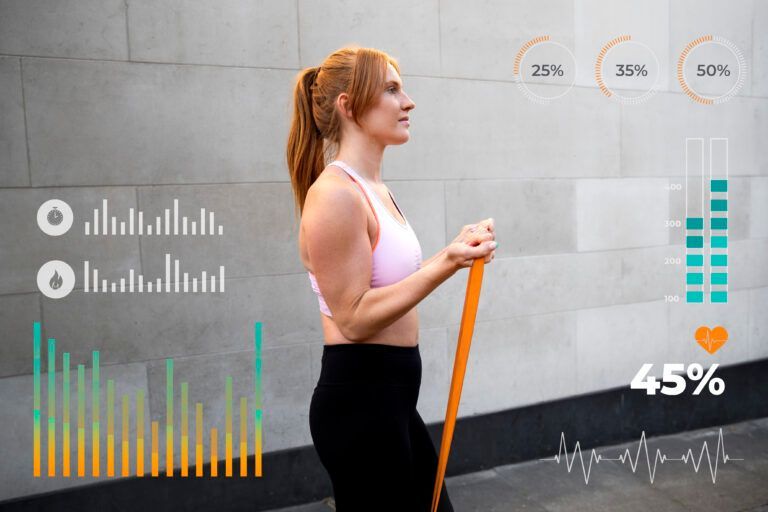
The fix? Prioritise protein intake and strength training while on a GLP-1. Many doctors now recommend pairing these medications with resistance exercise specifically to preserve lean muscle mass during weight loss.
Talking to Your Doctor: What to Bring Up
If you’re considering a GLP-1, don’t just walk into your appointment and ask for a prescription. Come prepared with the full picture. Worth mentioning is your menopause stage (perimenopause, menopause, or postmenopause) too. Like if you have any bone density concerns, or even a family history of osteoporosis, it matters.
Also share your current medications, including HRT if you’re on it. Then there are your goals. Are you aiming for better metabolic health, weight, or both? And if there’s any history of thyroid issues, pancreatitis, or eating disorders, say that as well.
Potential Side Effects to Know About
Like
any medication, GLP-1s come with possible downsides. The most common ones include nausea, constipation, diarrhoea, and fatigue, especially when starting out or increasing the dose. Some women also notice changes in how they process food and alcohol.
Less common but more serious risks include gallbladder issues and, rarely, pancreatitis. This is exactly why a conversation with a licensed healthcare provider, not a social media trend, should guide your decision.
Conclusion:
GLP-1s aren’t a magic fix for menopause, but they can be a genuinely helpful tool for women dealing with stubborn weight gain and metabolic changes during this life stage. The key is pairing them with strength training, adequate protein, and a broader menopause care plan that might include HRT or other symptom-specific treatments.
Menopause is a transition, not a diagnosis. And navigating it well often means combining several strategies rather than relying on one single solution.
Frequently Asked Questions
1) Are GLP-1s safe for women in menopause?
For many women, yes, but safety depends on individual health history. Conditions like a personal or family history of thyroid cancer, pancreatitis, or certain digestive disorders may rule out GLP-1 use. Always talk to a doctor before starting.
2) Will GLP-1s help with hot flashes?
No. GLP-1s really go after appetite and blood sugar, not the hormone levels themselves, so they should not, like, directly tamp down hot flashes or night sweats in a straight line. Hormone replacement therapy is usually the more targeted choice for those symptoms instead.
3)
Do you need to be diabetic to take a GLP-1?
Not always. Some GLP-1 medicines, for example, Wegovy and Zepbound, are
FDA-approved
specifically for ongoing weight management in people who fit certain BMI thresholds, even if they don’t have diabetes.
4) Will you gain the weight back after stopping?
Yeah, weight regain is pretty common after you come off GLP-1s, unless the plan keeps going with steady lifestyle upgrades, think strength training, protein-forward eating, and regular movement. A lot of clinicians now treat these medications as a longer-term instrument rather than a quick patch.
5) Can GLP-1s be combined with hormone replacement therapy?
Generally, yes, but this should always be managed by a healthcare provider who can monitor how the two interact and adjust your plan as needed.
6) What’s the biggest mistake women make when starting a GLP-1 during menopause?
Ignoring strength training and protein intake. Without that, rapid weight loss can start to accelerate muscle and bone loss, and that’s already a bigger concern during menopause, honestly.
7
)
How long until you see results?
Most people feel appetite changes pretty quickly, like within the first few weeks. But the more meaningful weight loss usually takes its time, more like a gradual build over three to six months, depending on the dose and how your body reacts from one person to the next.